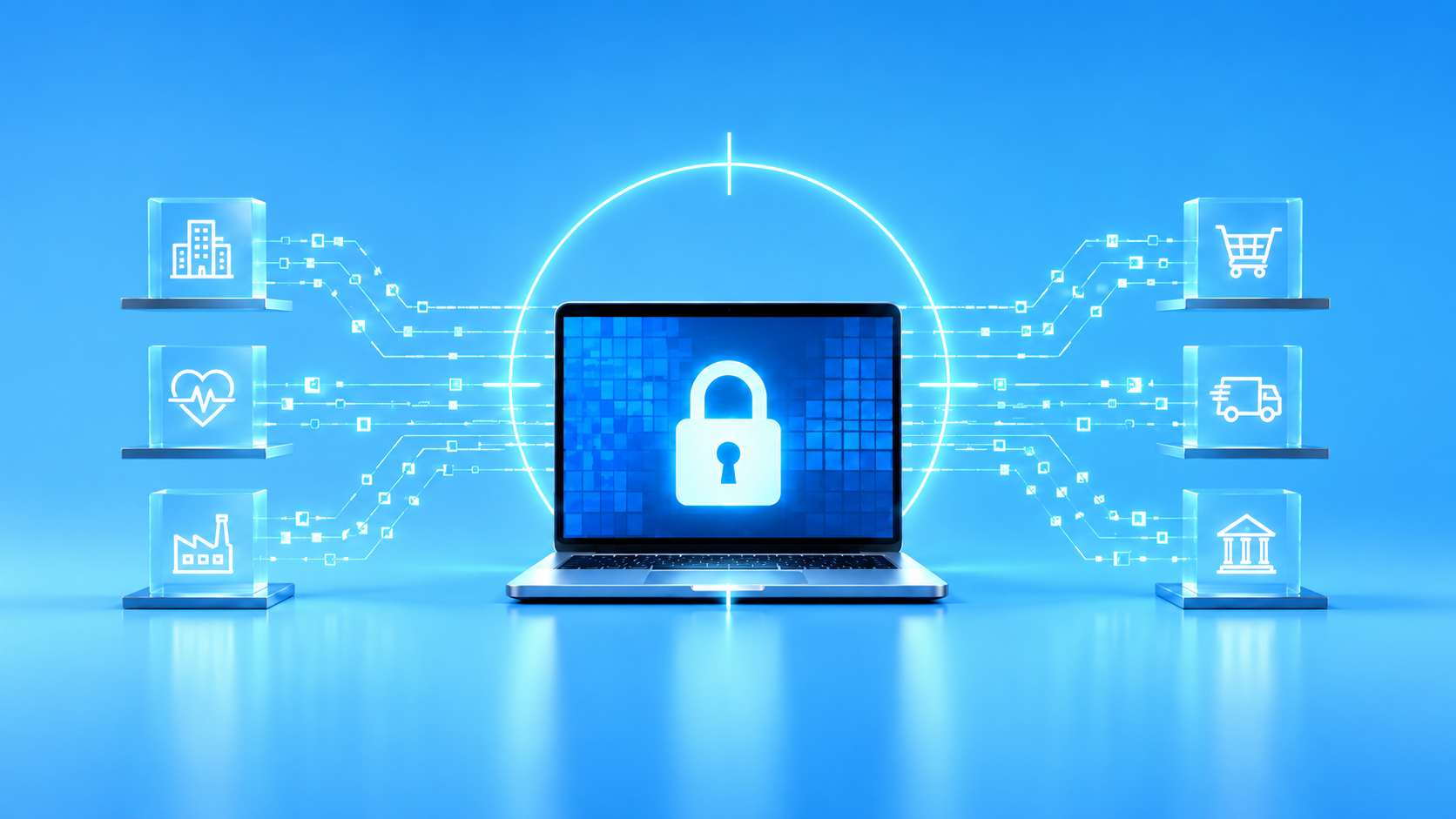
Most businesses know they need"someone watching for threats." Few have the budget, headcount, or24x7 staffing model to build that capability in-house. A Managed SOC exists toclose that gap: outsourced, expert monitoring and response, without the cost orcomplexity of running a security operations center yourself.
This guide covers what a Managed SOCactually does, the different delivery models available, and how to evaluatewhether it's the right fit for your organization in 2026.
What Is a SecurityOperations Center (SOC)?
A SOC is the function responsible forcontinuously monitoring an organization's systems, detecting suspiciousactivity, investigating alerts, and coordinating a response when something goeswrong. Traditionally, this meant a physical room full of analysts staring atscreens. Today, it's more often a distributed team working from a sharedplatform, whether in-house, outsourced, or a blend of both.
A SOC's core responsibilitiestypically include:
- Continuousmonitoring of logs, alerts, and telemetry across the environment
- Triageand investigation of security alerts
- Detectionengineering: building and tuning the rules that catch malicious activity
- Incidentresponse coordination when a real threat is confirmed
- Reportingon security posture, trends, and outstanding risk
What Is a Managed SOC?
A Managed SOC is a SOC functiondelivered by a third-party provider rather than built and staffed internally.The provider supplies the analysts, the tooling (or works within your existingSIEM), the detection content, and the round-the-clock coverage, while your organizationretains ownership of the underlying systems and the decisions about how torespond.
The appeal is straightforward:building a 24x7 SOC internally requires a minimum of 8 to 12 analysts to covershifts, holidays, and turnover, plus tooling, detection engineering expertise,and ongoing training. For most mid-size organizations, that's simply not aviable in-house build. A Managed SOC delivers the same coverage at a fractionof the cost, with immediate access to expertise that would take years to buildinternally.
Managed SOC DeliveryModels
Not all Managed SOC engagements lookthe same. Understanding the models helps you evaluate what you're actuallybuying.
Fully Outsourced SOC
The provider handles everything:monitoring, triage, detection engineering, and incident response, typicallyusing their own platform. Your team receives alerts and reports but isn'tinvolved in day-to-day triage.
Best for: organizations withlittle to no internal security team, wanting a complete hands-off solution.
Co-Managed SOC
The provider and your internal teamshare responsibility, often split by time of day or by function. A commonpattern: your team handles alert triage during business hours, while theprovider covers out-of-hours monitoring and triage, escalating urgent mattersback to a named incident response function.
Best for: organizations with someinternal security capability who want to extend coverage (particularlyout-of-hours) without hiring a full night-and-weekend rotation.
MDR (Managed Detection and Response)
Similar to a Managed SOC buttypically bundles the provider's own detection technology (often EDR-based)rather than working within your existing SIEM. Less flexible on tooling, butoften faster to stand up.
Best for: organizations withoutan existing SIEM investment, wanting a more turnkey solution.
Hybrid / Augmented SOC
Your internal SOC handles mostfunctions, with the provider supplementing specific gaps: overflow capacityduring high alert volume, specialized threat hunting, or backup coverage duringstaff shortages.
Best for: larger organizationswith a functioning internal SOC that needs targeted reinforcement rather than awholesale outsource.
What a Good Managed SOCProvider Actually Delivers
Beyond "someone watchingalerts," a strong Managed SOC engagement should include:
- 24x7(or clearly scoped) monitoring and triage, with defined SLAs for alertassessment and escalation
- Detectionengineering, not just running out-of-the-box rules, but tuning detections toyour specific environment and reducing false-positive noise over time
- Anincident manager on call for confirmed high-severity incidents, not just ananalyst reading from a runbook
- Transparentreporting, covering alert volumes, triage outcomes, detection coverage, andtrends, not just a monthly PDF nobody reads
- Adefined escalation path back to your internal team, so accountability fordecisions (especially containment on your own systems) stays where it should
- Regulartuning and threat-intelligence-driven content updates, since a detectionruleset that isn't maintained degrades in effectiveness within months
- Cleardata handling and residency terms, particularly if any part of delivery isoffshore
Why 2026 Makes This MoreRelevant, Not Less
The talent gap hasn't closed.
Skilled SOC analysts remain difficultand expensive to hire and retain, and 24x7 coverage multiplies that problem byrequiring multiple shifts of qualified staff.
Attack speed has increased.
With AI-accelerated reconnaissanceand faster exploitation timelines, the gap between "alert fires" and"attacker reaches something valuable" keeps shrinking. Detection thatonly runs during business hours leaves the majority of the week uncovered.
Cloud and SaaS sprawl has expandedwhat needs watching.
Most organizations now generatesecurity-relevant telemetry across multiple cloud providers, identityplatforms, and SaaS tools. Correlating all of it manually, in-house, at 2am,isn't realistic for most teams.
Regulatory and customer expectationshave tightened.
Financial services, healthcare, andincreasingly any business handling sensitive data face growing expectations,from regulators and from enterprise customers doing vendor due diligence, fordemonstrated, continuous monitoring rather than best-effort coverage.
Managed SOC vs. BuildingIn-House: The Real Trade-offs
Many organizations land on aCo-Managed model specifically because it captures the coverage and expertisebenefits of outsourcing while keeping business-hours ownership, and theinstitutional knowledge that comes with it, in-house.
Questions to Ask Before Signing
- Who isaccountable for the SLA, the provider directly, or a subcontracted deliverypartner? If a subcontractor is involved, is that disclosed and are they named?
- What'sthe actual analyst-to-alert ratio during peak hours, not just the marketed headcount?
- Whereis the service delivered from, and what does that mean for data residency andoffshore access approval?
- How aredetections tuned to your specific environment, versus generic, out-of-the-boxcontent?
- Whathappens during a confirmed P1 incident? Is there a named incident manager, andwhat's the engagement SLA?
- What'sexcluded from the retainer, and what tips into additional billable hours?
- How isservice quality measured and reported, and how often do you actually review ittogether?
Key Takeaways
- AManaged SOC delivers the coverage, expertise, and round-the-clock monitoringthat most organizations can't cost-effectively build in-house.
- Thedelivery model matters as much as the provider. Fully outsourced, Co-Managed,MDR, and hybrid models each fit a different starting point and risk appetite.
- 2026'sthreat landscape, faster attacks, wider cloud surface, tighter regulatoryexpectations, makes continuous monitoring closer to a baseline requirement thana premium add-on.
- Thebest engagements are transparent ones: clear SLAs, named accountability,visible tuning and reporting, not a black box that only produces a monthly PDF.